


In 2026, the conversation around fertility has shifted from “reacting” to “planning.” Egg freezing is no longer just a medical necessity or a “Plan B”—it has become a mainstream “Plan A” for women who want to align their reproductive timeline with their personal, professional, and emotional goals.
If you’ve been considering “freezing time,” here is the definitive 2026 guide to how this technology empowers your future.
Biological Reality vs. Modern Life
The most significant trend we see in 2026 is women choosing to freeze their eggs earlier—often in their late 20s or early 30s.
-
The “Biological Clock” vs. The “Life Clock”: While careers and relationships often peak in our 30s, biological fertility naturally begins to decline after 35.
-
Proactive Self-Care: Freezing eggs at 30 to use at 40 effectively “locks in” the success rates of a 30-year-old. It’s an act of preventative medicine that allows you to prioritize your current life-stage without the shadow of the “fertility cliff” hanging over your decisions.
Vitrification 2.0: The Science of Survival
A common concern used to be: “Will my eggs actually survive the thaw?” In 2026, the answer is a resounding “yes” for the vast majority.
-
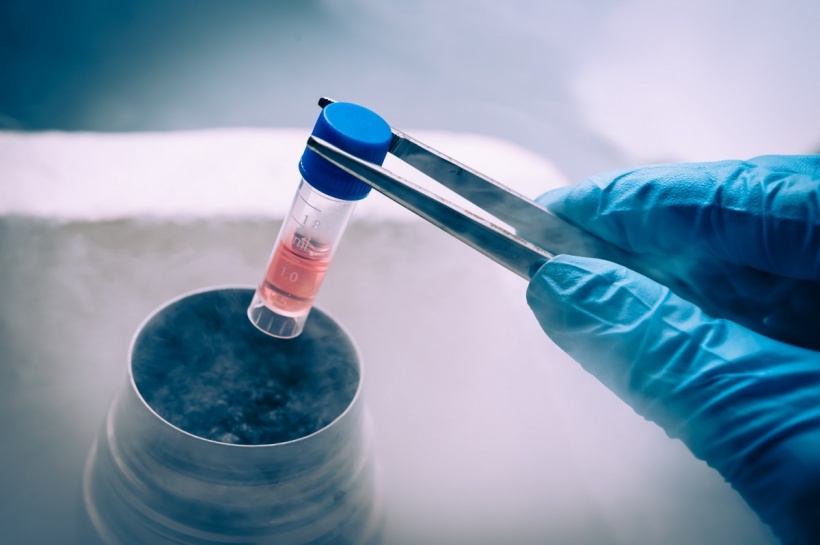
Flash-Freezing Technology: We use Vitrification, an ultra-rapid cooling process that prevents the formation of ice crystals (which could damage the cell).
-
90%+ Survival Rates: Modern vitrification now yields egg survival rates of 90–100% in high-quality labs. Because the eggs are transformed into a glass-like state almost instantly, they can remain frozen indefinitely with no impact on their quality or future potential.
Accessibility: Breaking the Financial Barrier
Historically, cost was the biggest hurdle for social egg freezing. In 2026, the landscape has changed to make preservation more inclusive:
-
Employer-Sponsored Benefits: A record number of companies now include fertility preservation in their standard health packages, recognizing it as a key component of female employee retention and wellness.
-
Mini-IVF Protocols: For some women, “Minimal Stimulation” (Mini-IVF) is an option. This uses lower doses of medication to retrieve a smaller, high-quality batch of eggs, significantly reducing the cost of drugs and the physical intensity of the cycle.
-
Financing & Bundles: Specialized fertility financing plans now allow patients to spread the cost of a cycle over several years, making it comparable to a monthly gym membership or a car payment.
The Peace of Mind Factor: Psychological Empowerment
Beyond the biological insurance, there is a profound psychological benefit to egg freezing. Studies in 2026 show that women who have frozen their eggs report:
-
Reduced “Panic Partnering”: The freedom to wait for the right partner rather than rushing into a relationship due to age pressure.
-
Career Boldness: The ability to take professional risks or pursue advanced degrees knowing their fertility window hasn’t “shut.”
-
Greater Autonomy: A sense of ownership over their own bodies and life trajectories.
Is 2026 Your Year?
Egg freezing is about giving your “future self” a choice. Whether you use those eggs in five years or never use them at all because you conceived naturally, the value lies in the option.